Whether you have had the same lobes or cartilage piercings for years or you have just had your ears pierced, knowing what to use for cleaning ear piercings matters at every stage. New piercings need a careful, consistent routine to heal properly, while healed piercings need far less, but not nothing. This guide covers both, along with what to avoid, how to spot trouble, and what to do if an old piercing suddenly starts acting up.
New vs Healed Piercings: Why the Routine Is Different
A fresh piercing is essentially an open wound. Until it fully heals, it is vulnerable to bacteria, dirt, and irritation from products, jewellery, and even bedding. Lobe piercings typically heal within six to eight weeks, while cartilage piercings, such as helix, tragus, and conch, can take anywhere from six months to a year.
Once a piercing is fully healed, the skin around it behaves like ordinary skin. Daily cleaning is no longer necessary, but healed piercings can still become irritated, itchy, or crusty from time to time, particularly cartilage piercings, which remain more sensitive to knocks and pressure even after healing. Knowing the difference between normal, healed-piercing itchiness and a genuine problem is useful for anyone with piercings, not just those with new ones.
The Best Solutions for Cleaning Ear Piercings
1. Sterile Saline Solution
Sterile saline solution is widely recommended by piercers and dermatologists as the gold standard for piercing aftercare, whether the piercing is new or healed. It closely matches the salt concentration of the body, which makes it gentle enough not to irritate the skin while still being effective at flushing away debris and bacteria.
You can buy pre-mixed sterile saline sprays designed specifically for piercing aftercare, or make your own by dissolving a quarter teaspoon of non-iodised sea salt in a cup of warm distilled or cooled boiled water. Pre-mixed sprays are generally recommended over homemade solutions, as it is easy to get the concentration wrong, and too much salt can dry out and irritate the skin.
2. Piercing Aftercare Sprays
Many brands sell aftercare sprays formulated specifically for piercings. These are essentially sterile saline solutions in a convenient spray bottle, making application simple and reducing the risk of contamination compared to soaking a cotton pad and applying it manually. These are useful to keep on hand even for healed piercings, particularly if you change jewellery often.
3. Mild, Fragrance-Free Soap
During a shower, a mild, fragrance-free, and preferably antibacterial liquid soap can be used to gently clean around the piercing and jewellery. For new piercings, this should be a secondary step to saline cleaning rather than a replacement for it. For healed piercings, a gentle wash as part of normal hygiene is usually sufficient. Bar soap should be avoided, as it can harbour bacteria and leave residue trapped in the piercing.

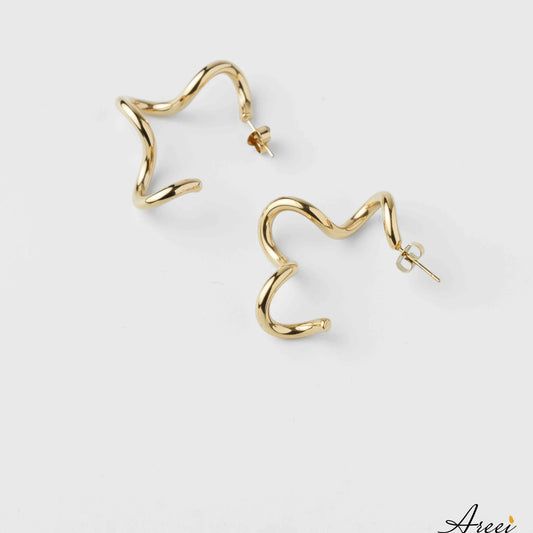
Moon & Star Studs Earrings from Areei
What to Avoid When Cleaning Ear Piercings
Certain products are commonly believed to help but can actually delay healing or cause irritation, whether the piercing is new or old.
- Alcohol and hydrogen peroxide: These are too harsh for skin around a piercing. They kill healthy cells along with bacteria, dry out the area, and can slow healing considerably.
- Antibacterial ointments (such as petroleum-based products): These can trap moisture and bacteria against the piercing, creating an environment where infection thrives rather than heals.
- Rubbing alcohol wipes: Often used out of habit for other wounds, these are too drying and irritating for piercings.
- Tea tree oil or other essential oils: While marketed as natural remedies, essential oils can cause allergic reactions and irritation on both healing and healed skin.
- Cotton wool balls: Loose fibres can catch on jewellery and become embedded in the piercing, introducing bacteria and causing irritation.
How to Clean a New Ear Piercing: Step-by-Step
- Wash your hands thoroughly with soap and water before touching the piercing or jewellery in any way.
- Spray or apply sterile saline solution directly onto the piercing, front and back, allowing it to soak the area for thirty to sixty seconds.
- Gently wipe away any crust using a clean, non-fibrous gauze pad, moving in one direction rather than rubbing back and forth.
- Rinse thoroughly if using a homemade saline solution, to remove any salt residue.
- Pat the area dry with a clean paper towel rather than a bath towel, as fabric towels can harbour bacteria and snag on jewellery.
- Avoid touching the piercing for the rest of the day unless cleaning it again.
Repeat this process twice a day during the healing period, unless your piercer advises otherwise. Over-cleaning can be just as problematic as under-cleaning, as it can irritate the tissue and delay healing.
How to Care for a Healed Piercing
Once a piercing has fully healed, the routine becomes much simpler, but a few habits are worth keeping.
- Clean occasionally if it feels itchy or crusty. A light saline rinse is usually enough to settle things down. Some crustiness now and then, especially around cartilage piercings, is normal and not a cause for concern on its own.
- Clean before and after changing jewellery. Inserting new jewellery can introduce bacteria, so a quick saline clean beforehand, and again afterwards if there is any irritation, helps reduce the risk of problems.
- Rinse after activities that introduce bacteria or product build-up, such as swimming, applying hairspray or perfume near the ear, or heavy sweating during exercise.
- Keep an eye on jewellery material. Healed piercings can still develop irritation or allergic reactions to certain metals, particularly nickel. Switching to implant-grade titanium or solid gold often resolves this.
Additional Aftercare Tips
- Do not rotate or twist the jewellery. This is an outdated practice that can reintroduce bacteria into the wound and disrupt healing tissue.
- Avoid sleeping on the piercing where possible, particularly for cartilage piercings, to reduce pressure and irritation.
- Keep hair products, perfume, and hairspray away from the piercing site, as these can cause irritation.
- Change pillowcases regularly to minimise bacteria near the piercing while sleeping.
- Avoid submerging the piercing in swimming pools, hot tubs, lakes, or the sea until it is fully healed, as these environments carry higher bacterial loads.
- Do not remove the jewellery before the piercing has fully healed, as the hole can begin to close within hours.
Signs of Infection to Watch For
While some redness, tenderness, and mild discharge are normal in the first few days, certain symptoms suggest something more serious:
- Increasing pain, swelling, or redness after the first few days
- Thick yellow or green discharge with an unpleasant odour
- Excessive heat around the piercing site
- Fever or feeling generally unwell
If any of these symptoms appear, it is advisable to consult a piercer or a doctor rather than attempting to treat the issue at home.
Final Thoughts
Choosing the right products for cleaning ear piercings, and using them correctly, makes a considerable difference to how smoothly healing progresses. Sterile saline solution remains the most reliable option, backed by both piercers and medical professionals, while harsh products such as alcohol, peroxide, and essential oils should be avoided entirely. Consistency, gentle handling, and patience are the real keys to a healthy, well-healed piercing.
This article is intended for general informational purposes and does not replace professional medical or piercing advice. If you are concerned about your piercing, consult a qualified piercer or healthcare professional.