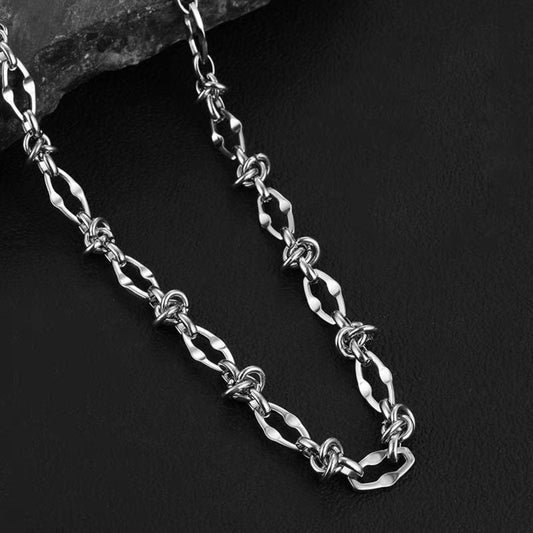
If you have ever spotted a bold, colourful, and gloriously retro necklace at a vintage market or on a fashion influencer and wondered what it was made from, the answer is likely Lucite. Lucite necklaces have surged back into the spotlight in recent years, celebrated for their vintage charm, striking colours, and surprisingly wearable qualities. This comprehensive guide covers everything you need to know about Lucite necklaces, from their fascinating history to how to buy, style, and care for them.
What Is a Lucite Necklace?
A Lucite necklace is a piece of jewellery made from Lucite, a transparent, shatter-resistant acrylic plastic. Lucite was developed by DuPont (a major American multinational chemical and science corporation) in the early 1930s and quickly became one of the most popular materials in mid-century jewellery design. Unlike earlier forms of plastic jewellery, Lucite could be cast, carved, moulded, and tinted into an extraordinary range of colours, shapes, and finishes, making it the perfect medium for creative jewellery makers.
Lucite necklaces can take many forms, including chunky bead strands, carved floral pendants, layered statement pieces, and delicate chain styles with Lucite accents. The material has a glass-like clarity when left clear, but it is equally striking when produced in opaque, translucent, or marbled colourways.
Types of Lucite Necklaces
There is a wide variety of Lucite necklace styles available, whether you are shopping for vintage pieces or modern designs.
Lucite Bead Necklaces
One of the most common and recognisable styles, Lucite bead necklaces feature individual beads in various shapes, including round, oval, faceted, and barrel-shaped. They can be found in single strands or layered multi-strand designs. The beads range from small and delicate to large and chunky, making them suitable for a wide range of personal styles.
Carved Lucite Necklaces
Carved Lucite necklaces are particularly prized by collectors. These pieces feature Lucite that has been hand-carved or moulded into intricate shapes, most commonly flowers, leaves, and abstract forms. Reverse-carved Lucite is especially sought after - this technique involves carving and painting a design on the underside of a clear Lucite piece, so the design appears to float within the material.
Lucite Pendant Necklaces
A single Lucite pendant on a chain or cord is a popular modern interpretation of the style. These can range from simple geometric shapes to bold sculptural forms. Many contemporary jewellery designers produce Lucite pendant necklaces that pay homage to the mid-century aesthetic while feeling thoroughly modern.
Lucite and Metal Necklaces
Many Lucite necklaces combine the acrylic material with metal components such as gold-tone or silver-tone chains, clasps, and frames. These mixed-material pieces often have a more refined, dressed-up appearance and can bridge the gap between casual and formal jewellery.
Lucite Collar Necklaces
Collar-style necklaces made from moulded Lucite became particularly fashionable in the 1960s and have seen a significant revival in recent years. These bold, structured pieces sit close to the neck and make a strong fashion statement, often in single block colours or transparent designs.
Lucite Charm Necklaces
Some vintage and modern Lucite necklaces feature charms made from the material, either hanging from a chain or interspersed with other bead types. These playful pieces often carry a whimsical, nostalgic quality that makes them particularly appealing to collectors and vintage enthusiasts.

How to Identify Genuine Vintage Lucite
If you are shopping for authentic vintage Lucite necklaces, knowing how to identify the real thing is essential.
The Warmth Test
One of the simplest ways to identify genuine Lucite is the warmth test. Lucite warms up quickly when held in the hand, unlike glass, which stays cool. It also feels lighter than glass of the same size.
The Smell Test
Gently rubbing a piece of Lucite produces a faint sweet or slightly chemical smell. If the piece smells strongly of camphor, it is more likely to be celluloid or Bakelite rather than Lucite.
The Hot Pin Test
A more definitive test involves pressing a heated pin against an inconspicuous spot on the piece. Lucite will melt slightly and produce a faint acrylic smell. However, this test can damage the piece, so it is best reserved for situations where authenticity is particularly important.
Visual Clues
Genuine vintage Lucite often has a depth and clarity that modern cheap plastic does not replicate convincingly. Look for signs of age such as minor surface scratches, slight yellowing in clear pieces, or the patina that comes with genuine vintage wear. Pieces that appear perfectly pristine and machine-perfect are more likely to be modern reproductions.
Lucite vs Bakelite: What Is the Difference?

Lucite and Bakelite are both vintage plastics commonly found in mid-century jewellery, and they are frequently confused with one another. Here is how they differ.
Bakelite is an earlier thermosetting plastic developed in 1907 by Leo Baekeland. It is opaque, heavier than Lucite, and typically found in darker, earthier colours such as butterscotch, green, red, and black. Bakelite produces a distinctive chemical smell when rubbed or tested with acetone.
Lucite, by contrast, can be completely transparent or translucent, is lighter in weight, and can be produced in a far broader range of colours and finishes. While Bakelite jewellery tends to command higher prices among serious collectors due to its earlier history and relative scarcity, Lucite pieces are increasingly valued in their own right.
How to Style a Lucite Necklace
One of the great joys of Lucite necklaces is their versatility. Here are some styling ideas to inspire you.
Casual Everyday Looks
A simple Lucite bead necklace in a neutral or pastel colour pairs beautifully with a plain white or striped top and jeans. The lightweight nature of Lucite means you can wear even a bold piece all day without any discomfort.
Office and Smart-Casual Outfits
A single Lucite pendant necklace in a muted tone works well with tailored workwear. Opt for clear or nude Lucite for a subtle, polished look, or choose a deeper jewel tone to add a touch of colour to a neutral outfit.
Evening and Formal Wear
Bold, chunky Lucite statement necklaces make excellent alternatives to fine jewellery for evening occasions. A large carved Lucite necklace in a deep red or emerald green can look striking against a simple black evening dress without competing with other accessories.
Vintage-Inspired Looks
To lean into the retro quality of Lucite, pair your necklace with vintage-inspired clothing such as a full-skirted 1950s-style dress, a pussy-bow blouse, or a tailored suit with a nipped-in waist. Multi-strand Lucite bead necklaces work particularly well with this aesthetic.
Layering
Lucite necklaces can be layered effectively with other necklace types. Try pairing a long, clear Lucite strand with a shorter gold chain necklace for an interesting mixed-material look. Keep the rest of your accessories simple to avoid a cluttered appearance.
How to Care for a Lucite Necklace

Proper care will keep your Lucite necklace looking its best for years to come.
Cleaning
Clean your Lucite necklace gently using a soft, lint-free cloth dampened with mild soapy water. Avoid abrasive cloths or scrubbing pads, as these can scratch the surface of the material. Rinse thoroughly with clean water and dry immediately with a soft cloth. Do not submerge carved or embellished Lucite pieces in water, as this can loosen adhesives or damage painted details.
Avoiding Chemicals
Lucite is sensitive to certain chemicals. Keep your necklace away from perfume, hairspray, nail polish remover, and harsh cleaning products. Always put your jewellery on after applying beauty products, not before.
Heat and Sunlight
Prolonged exposure to direct sunlight can cause Lucite to yellow or become brittle over time. Store your necklaces away from windowsills and other areas of direct sun exposure. Similarly, avoid leaving Lucite jewellery in hot environments such as a car on a warm day, as extreme heat can cause the material to warp.
Storage
Store Lucite necklaces individually in soft pouches or jewellery boxes to prevent scratching. Avoid piling multiple pieces together loosely, as this can lead to surface damage. If storing long bead necklaces, lay them flat or coil them gently rather than hanging them for extended periods, which can stretch the stringing material over time.
Restringing
If you own a vintage Lucite bead necklace, it is worth having the stringing checked periodically by a jeweller. Old thread or elastic can weaken over time and snap, sending your precious beads across the floor. A professional jeweller can restring a necklace using modern materials that will last for many more years.
The Value of Vintage Lucite Necklaces
Lucite necklaces vary considerably in value depending on their age, maker, condition, and design complexity.
Simple vintage Lucite bead necklaces in good condition might sell for anywhere between a few pounds and around fifty pounds. More elaborate carved, reverse-carved, or designer-attributed pieces can command prices of several hundred pounds, particularly if they are in excellent condition and come with verifiable provenance.
The most sought-after Lucite pieces tend to be those with intricate hand-carving, unusual colour combinations, or clear attribution to a recognised mid-century jewellery maker. Condition is paramount - chips, cracks, deep scratches, or significant yellowing will reduce the value of a piece considerably.
As with all collectible vintage items, values can fluctuate with trends in the wider antiques and vintage market. However, quality Lucite jewellery has shown a consistent upward trajectory in collector interest over the past two decades, making it a worthwhile area for those interested in collecting wearable vintage pieces.
Frequently Asked Questions About Lucite Necklaces
Is Lucite the same as acrylic? Lucite is a specific brand name for acrylic resin produced by DuPont. All Lucite is acrylic, but not all acrylic is Lucite. The term is often used loosely to refer to vintage acrylic jewellery in general, even when the specific brand cannot be confirmed.
Are Lucite necklaces safe to wear? Yes, Lucite is a stable, non-toxic material that is perfectly safe to wear as jewellery. It does not contain the harmful chemicals associated with some earlier plastics such as celluloid.
Can Lucite necklaces be repaired? Minor scratches on Lucite can sometimes be buffed out using a specialist plastic polishing compound. Chips and cracks are more difficult to repair, though a skilled jeweller or craftsperson may be able to work with damaged pieces depending on the extent of the damage.
How do I know if my Lucite necklace is valuable? If you believe you have a valuable piece, consider having it appraised by a specialist in vintage jewellery or costume jewellery. Online research, including searching sold listings on auction and vintage selling platforms, can also give you a general idea of comparable pieces and their prices.
Are modern Lucite necklaces worth buying? Absolutely. Modern Lucite and acrylic necklaces offer excellent style at accessible price points and are a great way to enjoy the aesthetic of the material without the premium associated with genuine vintage pieces.