Do your ears throb after a night out in your favourite hoops? Does that pretty necklace leave a red, itchy line across your throat by the end of the day? If so, you are not imagining things, and you are certainly not alone. Millions of people react to the metals used in everyday jewellery, and most of the time the culprit is a single element.
The good news is that reacting to jewellery does not mean giving up on it altogether. It simply means understanding what "hypoallergenic" actually means, which materials are safest for sensitive skin, and how to shop smarter. This guide breaks it all down, and points you towards the materials that genuinely work for reactive skin.
What Does "Hypoallergenic" Actually Mean?
The word "hypoallergenic" gets used loosely across the beauty and fashion industries, and jewellery is no exception. Technically, it means a material is less likely to cause an allergic reaction than the average alternative. It does not mean guaranteed reaction-free for every single person, because skin sensitivity varies enormously from one individual to the next.
In jewellery specifically, hypoallergenic almost always comes down to one thing: how much nickel the metal contains, and how much of that nickel is able to leach out and contact your skin. Nickel is cheap, easy to work with, and used to strengthen many alloys, which is exactly why it ends up in so many budget pieces. It is also one of the most common causes of contact dermatitis in the world.
Why Does Jewellery Cause Allergic Reactions?
When nickel or another reactive metal sits against warm, slightly moist skin for hours at a time, tiny amounts of metal ions transfer onto the skin's surface. For most people, this is harmless. For those with a nickel sensitivity, the immune system treats those ions as a threat, triggering a reaction that typically shows up as:
- Redness or a rash at the point of contact
- Itching or a burning sensation
- Small, raised bumps or blisters
- Dry, scaly, or thickened patches after repeated exposure
Earlobes, necklines, wrists, and fingers are the most common trouble spots simply because that is where jewellery sits for the longest stretches of time.

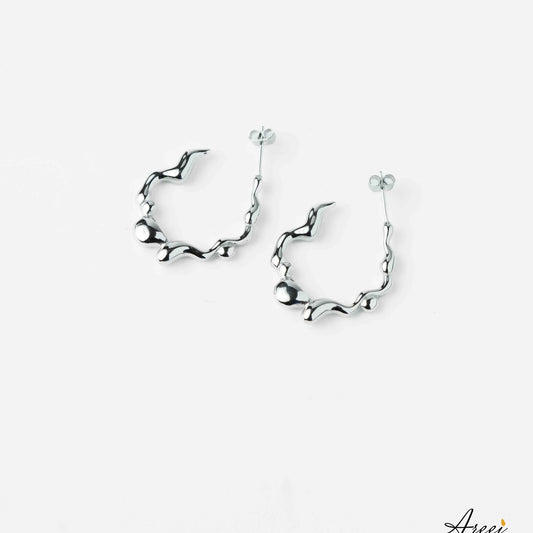
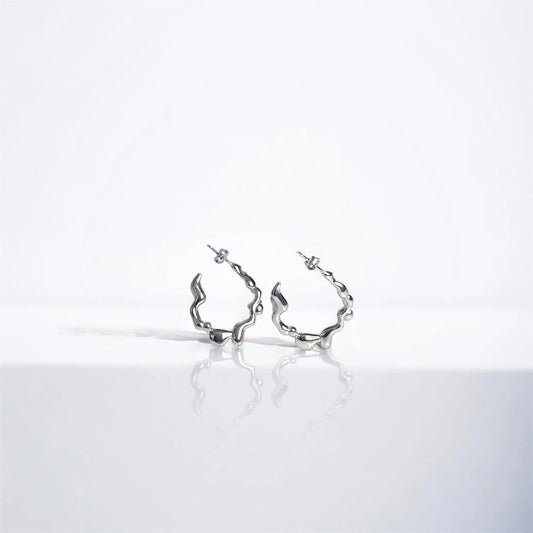
Kiki Mini Hoop Earrings from Areei
The Metals That Actually Work for Sensitive Skin
Not all metals are created equal when it comes to skin friendliness. Here is how the main options stack up.
Stainless Steel
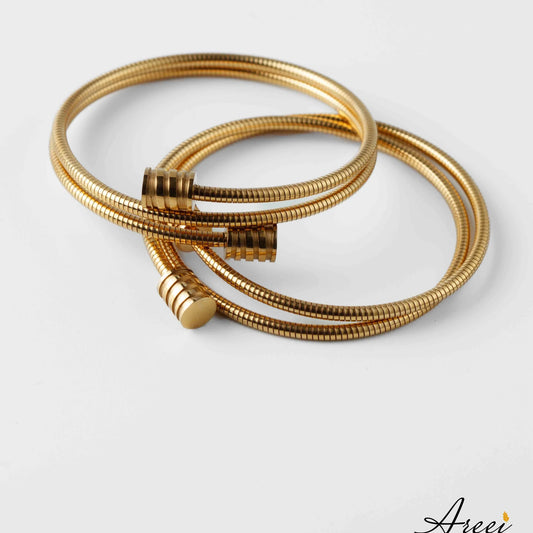
Stainless steel is one of the most reliable choices for reactive skin. It is a tough alloy that resists corrosion, rust, and tarnish, and any nickel content is bound so tightly within the alloy structure that it rarely leaches out enough to cause problems. It also happens to be one of the most hard-wearing metals used in jewellery, standing up brilliantly to daily knocks, water, and general wear and tear. Areei's stainless steel collection covers hoops, chains, rings, bracelets and bangles from £10, making it an easy, affordable entry point for anyone testing whether their skin gets on better with a nickel-tight alloy.
925 Sterling Silver
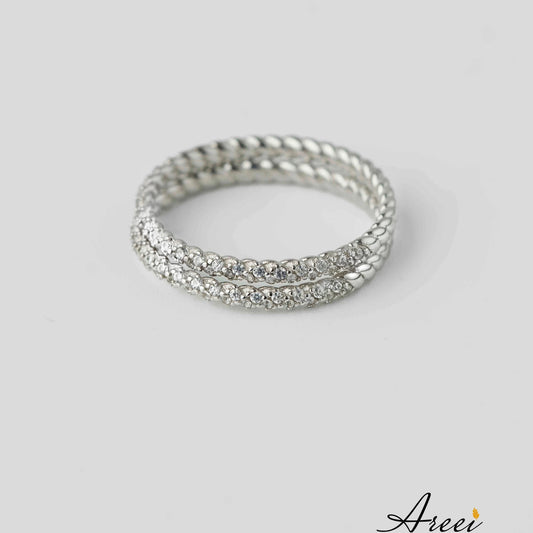
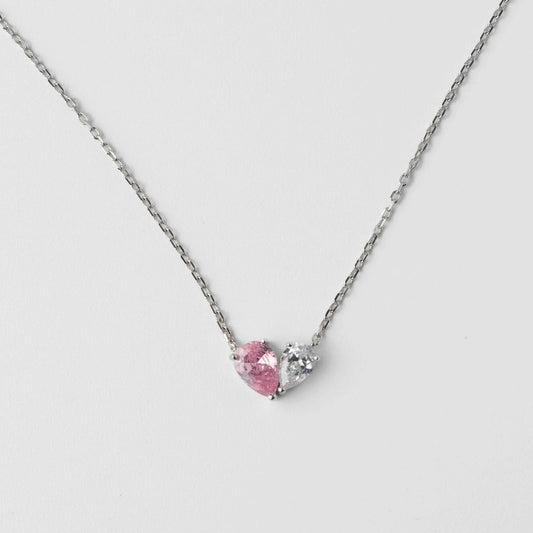
Sterling silver is made from 92.5% pure silver, with the remaining 7.5% typically made up of copper for added strength. Because the alloy is so silver-heavy, it is naturally far gentler on skin than cheaper "silver-look" metals. It has been a trusted choice for centuries, and it still offers that timeless, elegant shine that suits absolutely any outfit or occasion. You will find sterling silver running through much of Areei's earrings and necklace collections, so there is no need to sacrifice style while looking after your skin.
Platinum-Plated Pieces
Platinum is naturally hypoallergenic, meaning it is far less likely to cause irritation or an allergic reaction than many other metals. A thin layer of platinum plating gives jewellery the appearance and some of the properties of solid platinum, including excellent resistance to corrosion and tarnish, at a much more accessible price point.
Titanium Plating
Titanium is prized in the jewellery world for being both strong and remarkably lightweight, so it never weighs a piece down or feels uncomfortable during long wear. A titanium-plated surface also adds scratch resistance, helping pieces stay looking newer for longer while remaining kind to sensitive skin.
18k Gold Plating with PVD
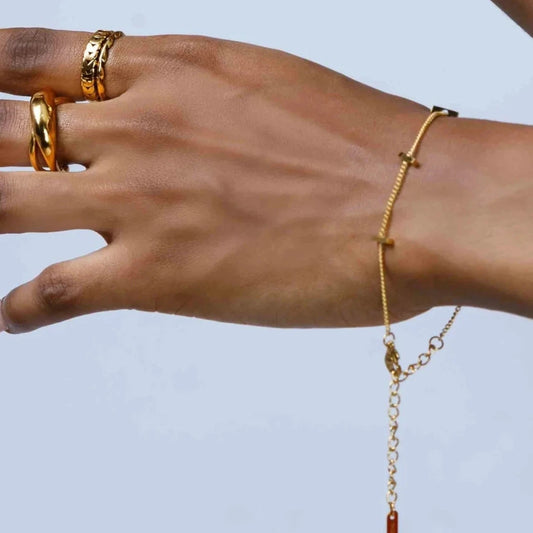
Solid gold has always been a safe bet for sensitive skin, but it comes with a price tag to match. Gold-plated jewellery offers a clever middle ground: a thick layer of 18k gold is applied over a base of sterling silver or stainless steel, so you get the warm, rich glow of gold sitting on top of a skin-friendly foundation. Areei finishes its gold pieces with PVD plating, a high-tech vacuum process that bonds the gold layer more firmly to the base metal, adding extra durability and water resistance so the colour and comfort last far longer than standard plating.
What About the Stones?
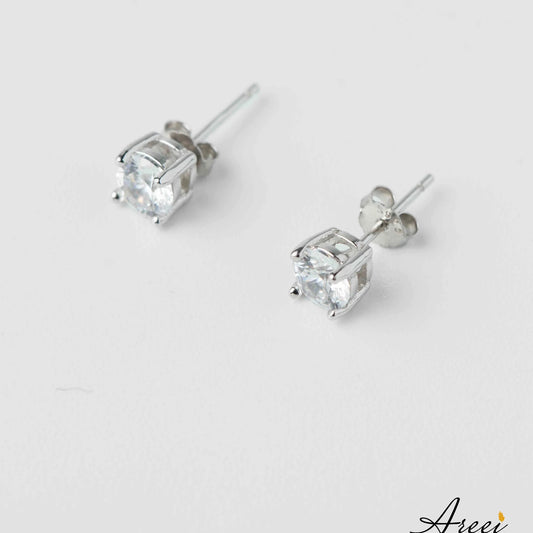
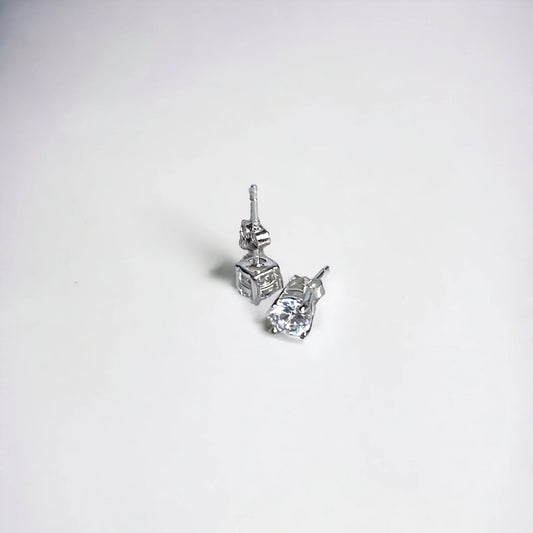
Skin reactions are not only about the metal setting; some people also notice irritation from certain gemstone treatments or the glues used to hold stones in place. Lab-created options tend to sidestep many of these concerns. Moissanite, for example, is a lab-grown gem that is prized for a sparkle that genuinely rivals a diamond, while cubic zirconia offers that same diamond-like dazzle at an even more accessible price. Both are popular choices for anyone who wants statement sparkle without introducing more variables for their skin to react to.

Silver Cross Diamond Necklace from Areei
Tips for Choosing and Caring for Hypoallergenic Jewellery
- Start with metal, not colour. Decide whether stainless steel, sterling silver, platinum-plated, or titanium-plated suits your skin and budget, then choose your style from within that material.
- Keep it dry and chemical-free. Take jewellery off before swimming, showering, or applying perfume and lotion, as these can wear down protective platings over time.
- Store pieces properly. A cool, dry spot, ideally in the pouch or box it arrived in, helps prevent scratches and keeps plating intact for longer.
- Give pieces a gentle polish. A soft cloth is usually all that is needed to keep stainless steel and sterling silver looking their best.
- Patch test new pieces. If you know you are prone to reactions, wear a new piece for a short period first rather than committing to a full day straight away.
Finding Jewellery That Loves You Back
Sensitive skin should never mean settling for boring jewellery. Between stainless steel, 925 sterling silver, platinum plating, titanium plating, and PVD-finished 18k gold, there is a genuinely wide range of tarnish-resistant, skin-friendly options to choose from, whether you are after everyday studs, a layering necklace, or a statement moissanite piece for a special occasion.
Areei's full collection brings all of these hypoallergenic-friendly materials together in one place, with free next-day delivery on orders over £50 and hassle-free returns if a piece is not quite right for you. Sensitive skin deserves jewellery that keeps up with real life, without the redness, the itching, or the compromise.