Everything you need to know to keep your baby safe, comfortable, and infection-free after ear piercing.
Is It Safe to Pierce a Baby's Ears?
Ear piercing is a common choice many parents make for their babies, and when done correctly and cared for properly, it is generally considered safe.
Medical professionals recommend waiting until a child is old enough to care for the piercing themselves, partly to reduce infection risk and partly to respect their choice. If you do choose to pierce your baby's ears, the most important thing you can do is commit to a strict, consistent aftercare routine.
This guide covers everything parents need to know.
Before You Even Start: Choosing the Right Piercer and Jewellery
Good aftercare begins before the needle touches skin.
Choose a reputable piercer, not a kiosk. A professional body piercer who works in a licensed studio will use sterile, single-use needles and follow proper hygiene protocols. High-street kiosks that use spring-loaded piercing guns are harder to sterilise fully and can cause more tissue trauma.
Ask about their experience with infants. Not every piercer is comfortable or experienced working with babies. Ask directly and trust your instincts.
Choose the right starter jewellery. This is non-negotiable. Starter earrings should be:
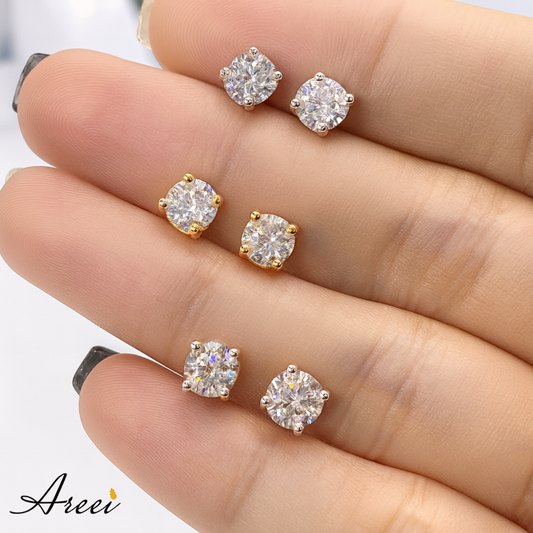
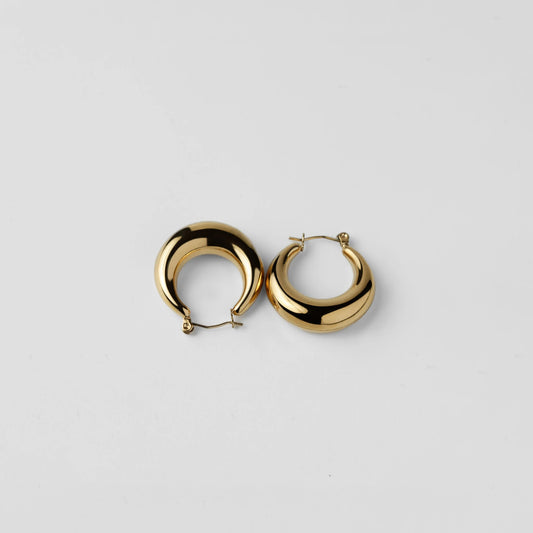
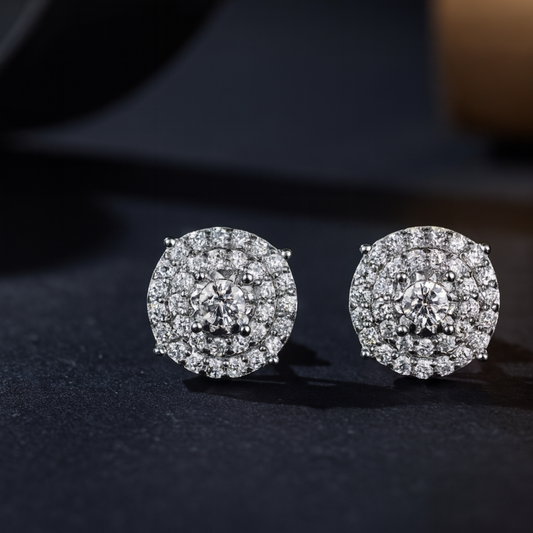
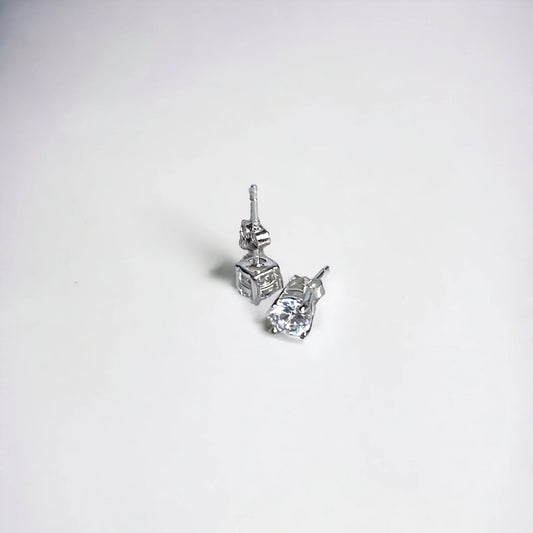
- Made from implant-grade titanium, implant-grade surgical steel (ASTM F136), solid 14k or 18k gold.
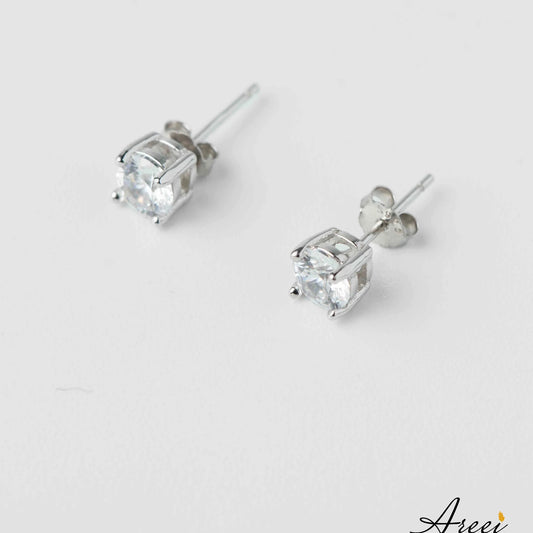
- Flat-backed labret studs or small ball-closure rings rather than butterfly-back earrings
- Appropriately sized with enough post length to accommodate any swelling
Avoid nickel-containing metals, plated jewellery, acrylic, and mystery metals labelled simply as "hypoallergenic" without further specification. Butterfly backs (the small clasps on standard earrings) trap moisture and bacteria against healing tissue and are widely considered problematic by professional piercers.
The Golden Rules of Baby Ear Piercing Aftercare
1. Clean Twice Daily, No More
Over-cleaning is just as harmful as under-cleaning. Cleaning too frequently strips the skin and disrupts the healing process.
Clean the piercing twice a day: once in the morning and once in the evening.
2. Use Sterile Saline Solution Only
The only product you need for cleaning a new piercing is a sterile wound wash saline solution, ideally a 0.9% sodium chloride solution with no additives. Products like NeilMed Wound Wash are widely recommended by professional piercers and are safe for infant skin.
Do not use:
- Rubbing alcohol or isopropyl alcohol
- Hydrogen peroxide
- Betadine or iodine solutions
- Antibacterial soaps or tea tree oil
- Ear-piercing solutions sold in kiosks (many contain benzalkonium chloride, which is cytotoxic to healing tissue)
These substances are either too harsh, cytotoxic to new cells, or simply unnecessary and can delay healing.
3. How to Clean the Piercing
Here is the step-by-step process:
- Wash your own hands thoroughly with soap and water before touching the piercing area.
- Saturate a clean piece of gauze or a non-woven swab with sterile saline.
- Gently dab around both the front and back of the earring, softening and removing any dried discharge (sometimes called "crusties").
- Allow the area to air dry, or gently pat dry with a fresh piece of gauze. Do not use cotton wool balls, as the fibres can catch on the jewellery.
- Do not rotate, twist, or move the earring. This is outdated advice that causes micro-tears in the healing fistula and increases infection risk.
4. Do Not Rotate the Earrings
This bears repeating because it is still taught in many high-street piercing kiosks: rotating or twisting healing jewellery is harmful, not helpful. It tears the delicate healing tissue forming around the piercing channel. Leave the earrings alone except to clean around them.

What Is Normal During Healing?
Parents are understandably anxious about any sign of trouble, so it helps to know what is completely expected during the healing process.
Normal signs:
- A small amount of clear or white-ish discharge that dries around the jewellery (the "crusties"). This is lymph fluid, a natural part of healing.
- Mild redness or pink colouring around the piercing site, particularly in the first one to two weeks.
- Slight tenderness when the area is touched.
- A small, flat bump of scar tissue forming around either entry or exit point (often called a "piercing bump"). These usually resolve with consistent saline cleaning.
Signs that warrant a visit to your GP or paediatrician:
- Spreading redness, warmth, or red streaks radiating away from the piercing
- Swelling that appears to be engulfing the jewellery
- Green or yellow pus (distinct from the normal white-ish lymph discharge)
- A fever in your baby
- Significant pain or inconsolable crying when the ear is touched
- Signs of an allergic reaction such as weeping, crusty, or itchy skin across a wider area
If you suspect infection, see a doctor before removing the jewellery. Removing an infected earring can sometimes trap infection inside the tissue. A doctor can advise whether the jewellery should remain in place while treatment is administered.
Healing Timescales
Earlobe piercings typically take six to eight weeks to heal on the surface but can take three to six months to heal fully through the entire tissue depth. Cartilage piercings (the upper ear) take considerably longer, often six months to a year or more, and are not recommended for babies or young children.
Do not change the starter jewellery until the piercing is fully healed. Changing earrings too early is one of the most common causes of piercing complications in infants.
Practical Day-to-Day Care Tips for Parents
During bath time: Gently rinse the piercing with warm water during the bath. Pat dry carefully afterwards. Avoid submerging the ears in standing water such as a bath or paddling pool until fully healed, as standing water can harbour bacteria.
Hair and clothing: Be mindful when dressing and undressing your baby. Clothing with wide neck holes can snag earrings. Keep any hair away from the piercing area, as hair can wrap around the post and cause irritation or, in rare cases, embedding.
Sleeping position: A baby who sleeps on their side may press an earring into the lobe overnight. Check for any signs of pressure or indentation each morning.
Keep siblings and other children away from the ears: Babies and toddlers have little concept of gentleness. Be cautious during playtime to avoid tugging or pulling.
Monitor for embedding: If the front disc or back of the earring appears to be sinking into the skin, this is a sign that either the post is too short or swelling has occurred. Seek professional advice immediately. Do not attempt to push the jewellery back through yourself.

When Can You Change the Earrings?
Wait a minimum of six to eight weeks before attempting to change the starter earrings, and only if the piercing shows no signs of irritation or healing complications. Ideally, have a professional piercer assess the healing before the first change. They can confirm healing progress and help with the first earring change safely.
When you do change the earrings, continue to choose high-quality metals as described above. Avoid cheap fashion jewellery until the piercing channel is mature and robust, typically after several months of full healing.
A Note on Your Baby's Comfort and Wellbeing
Babies cannot tell you if something hurts or itches. Watch for persistent ear-touching, unusual fussiness, or disrupted sleep as potential signs of discomfort. Trust your parental instincts. If something looks or seems wrong, it is always better to have it checked by a medical professional sooner rather than later.
Quick Reference: Baby Ear Piercing Aftercare Summary
|
What to do |
What to avoid |
|
Clean twice daily with sterile saline |
Rotating or twisting earrings |
|
Use implant-grade titanium or solid gold |
Alcohol, hydrogen peroxide, Betadine |
|
Pat dry with gauze after cleaning |
Cotton wool balls near the jewellery |
|
Monitor daily for signs of infection |
Changing earrings before full healing |
|
Keep hair and clothing away from earrings |
Cheap metals or butterfly-back clasps |
|
See a doctor at any sign of infection |
Submerging in standing water while healing |
Frequently Asked Questions
Can I put Vaseline or cream on a new baby piercing? No. Barrier creams and ointments such as Vaseline or Sudocrem are not recommended for piercings. They seal out oxygen and can trap bacteria in the healing channel.
My baby has a small bump next to the piercing. Is this serious? A small bump at the piercing site is often an irritation bump or a mild hypertrophic scar. These typically improve with consistent saline cleaning and by addressing any source of irritation (such as a metal allergy or movement of the jewellery). If the bump is growing, painful, or accompanied by discharge, see your GP.
The earring back seems very tight. What should I do? Butterfly backs on starter earrings are often clipped on too tightly. There should be a small amount of movement between the back and the earlobe. If it is digging into the skin, see a piercer or your GP to have it adjusted. Do not force it yourself.
My baby keeps touching her ears. Is this a problem? Babies explore with their hands constantly, and ears are a common target. Try to gently redirect during cleaning times and monitor for signs of irritation. Keeping fingernails trimmed short and clean reduces the risk of bacteria being introduced.
The Bottom Line
Caring for a newly pierced baby's ears requires consistency, gentleness, and the right products. The fundamentals are straightforward: sterile saline solution twice a day, hands off the jewellery, high-quality metals only, and a watchful eye for any signs of trouble. Get those basics right and the vast majority of baby ear piercings heal without any complications at all.
Always consult your paediatrician or GP if you have concerns about your baby's health or the condition of a piercing.